

Identify risks early. Meet WHS obligations. Take action.
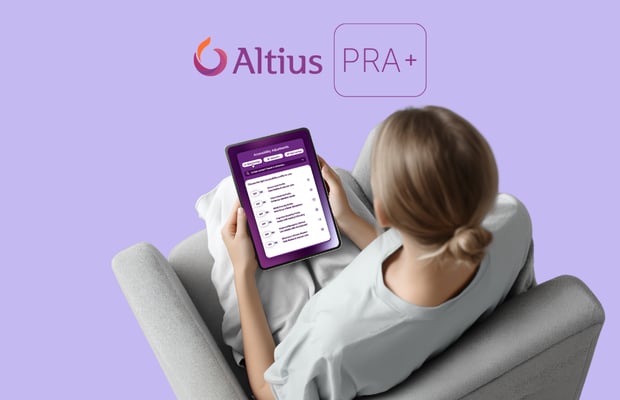
Altius PRA + is a data-driven psychosocial risk assessment solution that helps organisations identify and manage psychosocial hazards with confidence.
Combining a validated assessment tool, real workforce insights, and expert guidance, PRA + enables leaders to strengthen psychological health and safety, meet Workplace Health & Safety (WHS) obligations, and take meaningful action that improves organisational performance.
How PRA + Works
1 Assess
2 Explore
3 Analyse
4 Act
Altius PRA + supports:
-
Executives and Boards seeking workforce risk visibility
- WHS and Risk leaders managing psychosocial hazards
- HR and People teams driving wellbeing and compliance
- Government, corporate, and large organisations with complex workforces
- Organisations responding to emerging risks or compliance requirements
Key Features
![]()
Academically validated framework aligned to psychosocial risk legislation
Designed for teams, business units and enterprise-wide deployment
Deeper visibility beyond standard psychosocial risk assessments, with added workforce and wellbeing metrics
Decision-ready reporting for governance and leadership
Tailored recommendations and accessibility adjustments to support meaningful action across diverse workforces
Access to WHS, Organisational Psychology and implementation expertise.
What You Can Expect

Practical, evidence-based psychosocial risk support for safer workplaces
Frequently Asked Questions
Psychosocial hazards are now a critical workplace risk area — and a growing priority under WHS legislation.
If unmanaged, these risks can lead to:
● Increased psychological injury claims
● Reduced engagement and productivity
● Higher absenteeism and turnover
● Cultural and organisational strain
Organisations are expected to identify, assess, and control these risks proactively — not reactively.
Psychosocial hazards are aspects of work that can cause psychological or physical harm if not managed effectively.
They commonly arise from:
● Work design, workload, and job demands
● Workplace relationships and behaviours
● Leadership, culture, and organisational systems
● Environment, equipment, and working conditions
Left unaddressed, they can significantly impact workforce wellbeing and business performance.
A Psychosocial Risk Assessment (PRA) is a structured, evidence-based process used to identify, assess, and manage workplace factors that may impact employees’ psychological health and safety.
It helps organisations understand risks linked to workload, leadership, workplace culture, and job design — and supports evidence-based risk reduction through defensible risk management frameworks aligned with WHS obligations.
Altius PRA + helps organisations meet their WHS obligations by providing a defensible, audit-ready approach to psychosocial risk management.
It enables you to:
-
Identify psychosocial hazards across your workforce
-
Assess and prioritise risks using validated methodologies
-
Implement evidence-based controls and interventions
-
Demonstrate due diligence with clear documentation and reporting
This ensures your organisation is taking a proactive, compliant approach — not reacting after issues arise.
Under WHS legislation, employers (including executives and officers) have a duty to identify, assess, and manage psychosocial risks in the workplace.
This responsibility typically involves:
-
Executives and Boards overseeing governance and risk
-
WHS and Risk leaders implementing frameworks and controls
-
HR and People teams supporting workforce wellbeing initiatives
Ultimately, organisations must adopt a systematic, defensible risk management approach to meet their legal obligations.
Psychosocial hazards are a growing regulatory and organisational focus because:
- WHS laws increasingly require proactive management
- Psychological injury claims are more complex and costly
- Poorly managed risks negatively impact culture, retention, and performance
Organisations are now expected to implement evidence-based psychosocial risk management frameworks , not just wellbeing programs.
Unlike traditional engagement or pulse surveys, PRA + is specifically designed for psychosocial risk identification and compliance .
It:
- Uses validated, risk-focused assessment tools
- Aligns with WHS legislative expectations
- Provides defensible risk insights , not just sentiment data
- Delivers clear, prioritised actions to reduce risk
This makes it suitable for both governance and operational decision-making.
PRA + delivers clear, decision-ready insights including:
- Psychosocial risk levels across teams or business units
- Key risk drivers (e.g. workload, leadership, culture)
- Hotspots and priority areas for action
- Practical, tailored recommendations
All outputs are designed to support evidence-based decision-making and defensible risk mitigation .
Timeframes vary depending on organisation size and scope, but PRA + is designed to be scalable and efficient .
The process typically includes:
- Assessment rollout
- Data analysis and reporting
- Action planning and recommendations
Most organisations can complete the full cycle within a matter of weeks, with ongoing support available for implementation.
After the assessment, Altius supports you to translate insights into action .
This may include:
- Prioritised risk reduction plans
- Leadership briefings and governance reporting
- Workshops, focus groups, or deep-dive analysis
- Ongoing implementation support
The focus is on achieving sustainable, evidence-based risk reduction outcomes — not just producing a report.
Yes. PRA + is designed to scale across:
- Enterprise organisations
- Multi-site or geographically dispersed workforces
- Government and regulated industries
It provides consistent, defensible data and insights across all levels of the organisation , supporting both local action and enterprise-wide governance.
Getting started is simple. Altius will work with you to define scope, align objectives, and deploy the assessment efficiently.
You’ll gain a clear, evidence-based understanding of your psychosocial risks , along with a practical roadmap to manage them.
``- Demonstrate a proactive approach to WHS compliance
- Meet and exceed legislative requirements across all Australian WHS jurisdictions, regulations, and Codes of Practice
- Prioritise action with evidence-based insights
- Reduce workforce, operational, and compliance risks
- Equip leaders with clear, decision-ready visibility
- Strengthen culture, engagement, and performance
- Move from assessment to action with expert support