
Key Takeaways:
Five generations now work side-by-side, each with different wellbeing needs
Job demands and workplace relationships are the top concerns across all age groups
A flexible framework (Peak→ At Risk → Acute → Chronic) helps match individual need to customised solutions support to individual need
For the first time in Australian history, organisations are managing teams that span five distinct generations.
According to Robert Half, 99% of all Australian organisations now operate with a multigenerational workforce. From the Silent Generation still contributing deep expertise through to Gen Z entering the workforce as digital natives, each group arrives with different expectations about work, health, and safety. as digital natives, each group arrives with different expectations about work, health, and safety.If you're leading HR or people functions, you're likely asking a practical question:
How do we create one effective wellbeing strategy that meets this range of needs while still ensuring compliance, supporting retention, and protecting our employer brand?
The short answer is that you don't create one strategy. You create a flexible framework.
As Sharon Richens, Head of Customer at Altius and a physiotherapist with a Master’s in Mental Health and 25 years of experience, puts it: "Most organisations start by asking ‘Where do I direct my focus?’ The better question is: Regardless of generation, what does each person need right now?"
What the Data Reveals About Who Seeks Help and Why
Altius Employee Assistance Program (EAP) data from 2025 offers a practical window into what's happening across generations. The patterns are distinct, and they challenge some common assumptions.
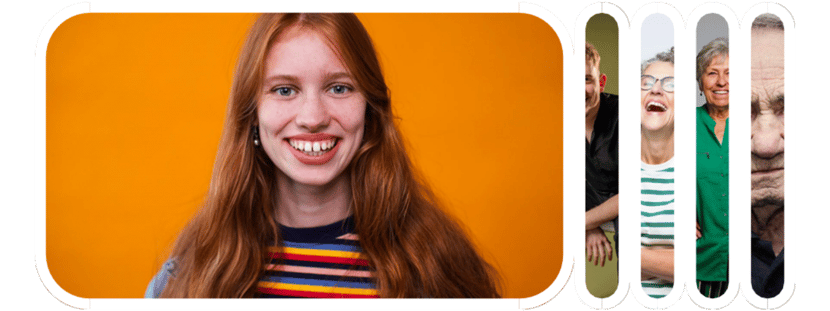
Gen Z (13–29) makes up 29% of the workforce but only 5% of EAP users. When they do present, their top issues are:
-
Job demands (35%)
-
Conflict or poor workplace relationships (18%)
-
Traumatic events (13%)
-
Bullying (9%)
-
Harassment, including sex or gender-based (8%)
This notable gap between Gen Z’s workforce presence and their use of EAP service suggests they may be less likely to seek formal help due to stigma around mental health, concerns about confidentiality, or a preference for digital self-help tools and informal support networks.
Additionally, they may not be fully aware of available EAP or feel these services aren’t tailored to their unique needs.
Despite facing significant challenges such as job demands, workplace conflict, and harassment, Gen Z’s low engagement with EAP highlights the importance of creating accessible, relevant, and proactive wellbeing initiatives that resonate with younger workers and address their reluctance to seek help.

Millennials (30–45) represent 38% of the workforce and 42% of EAP users. Their primary concerns are:
-
Job demands (41%)
-
Conflict or poor workplace relationships (23%)
-
Bullying (11%)
-
Traumatic events (8%)
-
Poor support (4%)
This strong representation among EAP users could suggest that Millennials are more willing to seek formal help compared to younger cohorts. They are managing demanding workloads and complex relationships at a time in life often marked by career progression and increased responsibilities, which can intensify stress and conflict.
The relatively high rates of bullying and exposure to traumatic events could also indicate that many Millennials are accessing EAP to seek support for challenging workplace environments. Their willingness to access support may be driven by a greater awareness of mental health issues and a recognition of the benefits that professional help can offer, especially when workplace support feels lacking.
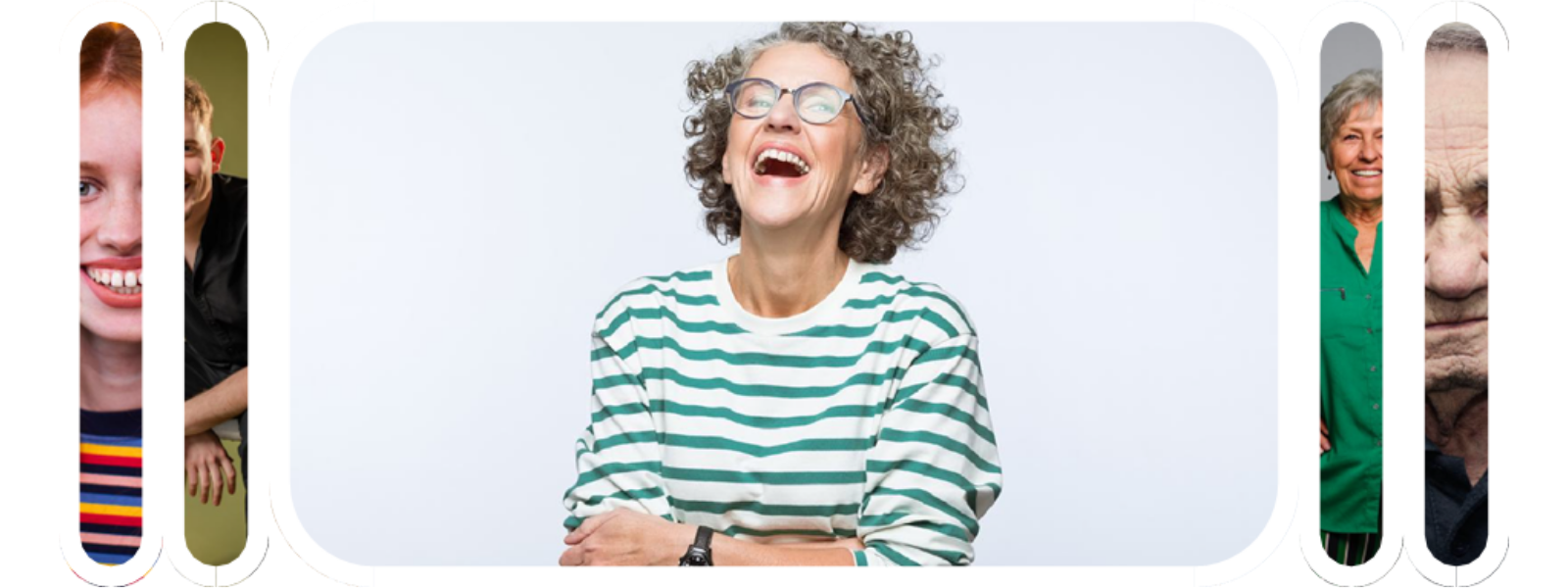
Gen X (46–60) accounts for 21% of workers and 36% of EAP users. Their top five issues:
-
Job demands (33%)
-
Conflict or poor workplace relationships (29%)
-
Bullying (16%)
-
Traumatic events (7%)
-
Poor organisational change management (4%)
This significant engagement with EAP services suggests that Gen X workers may be particularly attuned to the pressures of balancing established careers with increasing work responsibilities, often while managing personal commitments such as family or ageing parents.
The prominence of job demands and workplace conflict in their concerns points to the stress of maintaining performance and handling complex work environments during a key career stage.
Bullying and exposure to traumatic events may prompt Gen X to seek support when workplace issues become overwhelming or unresolved.
Additionally, dissatisfaction with how organisational changes is managed could heighten anxiety and uncertainty, motivating this cohort to turn to EAP for guidance and coping strategies.
Overall, Gen X’s willingness to access support may reflect both a recognition of the impact of workplace stressors on wellbeing and a pragmatic approach to seeking solutions when facing persistent challenges.
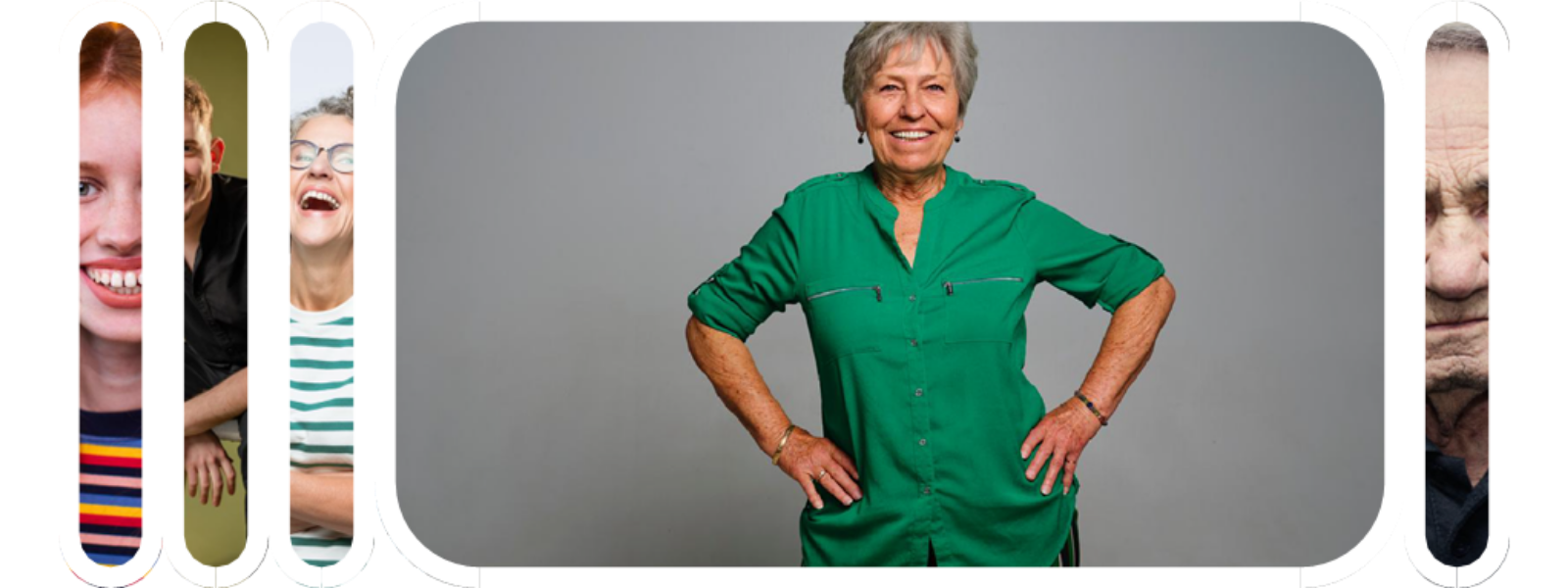
Baby Boomers (61–78) make up 11% of the workforce and 15% of EAP users. Their priorities are changing:
-
Conflict or poor workplace relationships (31%)
-
Job demands (26%)
-
Bullying (20%)
-
Traumatic events (5%)
-
Poor organisational change management (5%)
As Baby Boomers approach retirement age, they are increasingly focused on work-life balance, financial security, and health-related benefits. They could be seeking flexible part-time work arrangements to transition smoothly out of full-time roles. They may also prioritise mentoring opportunities, sharing their experience with younger colleagues, and contributing to positive workplace culture. Access to EAP is especially valuable as they adjust to these new career and life stages.
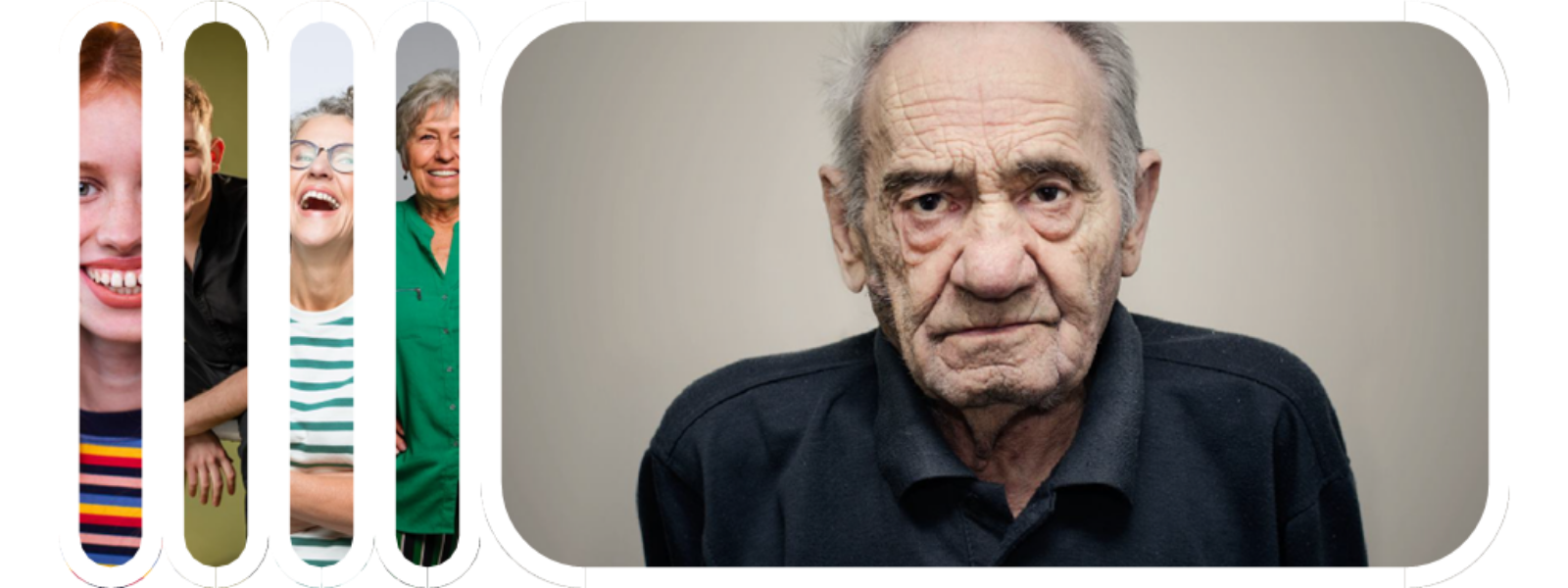
The Silent Generation (79+) remains a small (1%) but valuable cohort. Their pattern closely resembles Boomers, with conflict and relationships as the primary concern.
Richens offers this thought on the generational patterns: "The data shows us that every generation is struggling with job demands and relationships—just in different proportions. This data informs us where to focus our efforts."
The Diversity Paradox
Diversity of age creates both a challenge and an opportunity. The challenge for workplaces:
Different expectations, communication styles, and risk profiles.
The opportunity is diversity of thinking. Richens explains it this way:
"When it comes to a multigenerational workforce, it's really important to have an awareness that yes, there are some complexities that present themselves, but it also presents an opportunity for enormous diversity of thinking. And yes, there can be friction, but friction doesn't necessarily mean dysfunction. It depends on how that friction is managed."
The goal is to equip leaders to work with differences instead of eliminating them.
Tailoring Support Without Stereotyping
Gen Z: Digital Natives, High Expectations
Diversity of age creates both a challenge and an opportunity. The challenge for workplaces:
Gen Z enters the workforce with higher rates of mental health challenges, 38.8% of people aged 16–24 experienced a mental disorder in the previous 12 months, and a much lower interest in traditional leadership pathways. Only 6% say their primary career goal is a leadership position.
What they do value:
-
Digital-first workflows. Poor systems and outdated tools increase frustration and psychological strain.
-
Ergonomic design for hybrid work. Many started their careers remotely and lack ergonomic awareness, increasing musculoskeletal risk.
-
Micro-learning and continuous feedback. Long, passive training sessions don't land.
-
Career development as a wellbeing strategy. They want to grow, even if not into traditional management.
As Gen Z steps into the workforce, their expectations differ notably from previous generations. Many have grown up immersed in digital environments, with hybrid work considered as the standard rather than an exception.
Richens highlights, "Gen Z are entering the workforce with quite different expectations. They have very strong and entrenched digital habits. Many have perhaps started their career working remotely during the COVID years, or they have an expectation that hybrid working is the norm."
The shift brings new challenges.
"This has implications in terms of ergonomic setup, risk of physical injury related to how workstations are set up, and the amount of time they spend on technology will have an impact on physical pain and even on sleep patterns," Richens points out.
Millennials: Peak Complexity, Burnout Risk
Millennials are navigating peak life complexity—careers, mortgages, parenting, ageing parents. According to Robert Half research, 81% of Millennials report feeling burnt out, matching Gen X for one of the highest rates in their survey sample of full-time office workers.
Their needs include:
-
Hybrid-optimised workspaces that support both collaboration and deep focus.
-
Autonomy with clarity. They want clear expectations but freedom in how they deliver.
-
Financial wellbeing support. Cost-of-living pressures, childcare, and housing stress directly impact mental health.
-
Purpose and values alignment. They need to see how their work contributes to something larger.
Richens observes:
“Getting ahead of the risk of burnout is important for millennials. Supports for mental health and stress management, financial stresses, generally start to increase in this age group. So, wellbeing programs that include financial wellbeing and financial literacy are very much valued by this age group.”
Gen X: The Overlooked Cohort
Gen X tops in EAP usage, yet rarely the focus of wellbeing strategy. They're often in leadership roles, sandwiched between caring for children and ageing parents, and carrying significant workload.
They respond to:
-
Practical, efficient environments. Functionality matters more than trends.
-
Wellbeing programs that respect their time. They won't attend sessions that feel like another task.
-
Self-directed, practical learning. Tell them what they need to know, then trust them to apply it.
-
Straightforward communication. Keep it direct and straightforward.
Richens explains, "People in this age group are dealing with both financial stresses and role stresses. They often have challenges with fatigue due to work overload or life pressure overload."
Baby Boomers and Silent Generation: Experience, Respect, Transition
These cohorts bring deep institutional knowledge and strong work ethic. They also face distinct challenges:
-
Chronic health conditions requiring thoughtful job design.
-
Fatigue management through pacing, microbreaks, and flexible hours.
-
Mental health stigma. They're less likely to self-identify distress.
-
Transition-to-retirement planning. This reduces anxiety and maintains engagement.
Richens highlights an innovative approach:
"There's a concept referred to as reverse mentoring where you mentor an older worker with a younger worker. The older worker may have the experience of the work, the younger person may have the digital literacy and can support the older worker. That can be a really great way of supporting people within different demographics and building relationships across those demographics."
As organisations strive to support employees across different life stages, it’s important to recognise that some health and wellbeing challenges are not confined to age or gender. Tailoring support means understanding the unique pressures individuals face, whether they relate to career demands, family dynamics, or physical and mental health. One significant area that often goes overlooked yet has a major impact on retention and workplace wellbeing is menopause.
Special Focus: Menopause and Mental Health
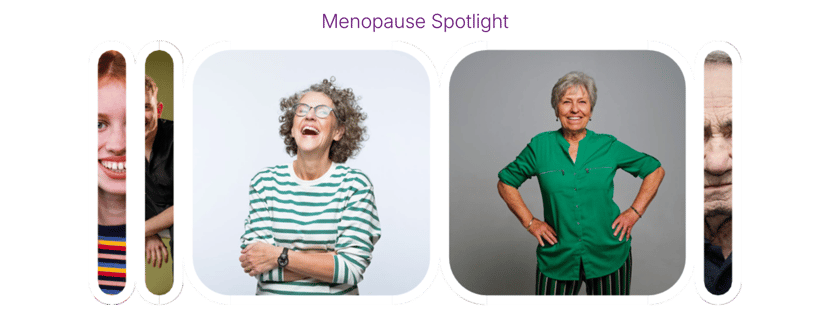
Many employees find menopause and perimenopause symptoms disruptive at work, yet the topic often remains unspoken due to stigma and fear of judgment.
Research cited in the Menopause Survey 2018 found:
-
47% of menopausal women report feeling depressed.
-
37% suffer from anxiety.
-
20% have considered leaving work due to symptoms.
-
10% stop work altogether.
-
76% say their symptoms are problematic at work.
"Because we’re seeing more people stay in the workforce longer, this issue of dealing with menopause and the impact that it’s having on work really needs to be part of any wellbeing program," Richens explains.
To address this, organisations can offer practical workplace accommodations, which don’t have to be complicated:
-
Flexible workplace arrangements
-
Reduced or staggered hours
-
Split roles (tasks divided between two part-time workers)
-
Remote or hybrid work
-
Sabbatical leave
-
An openness culture that supports disclosure and understanding
By recognising and addressing issues like menopause, organisation can create more inclusive and supportive environments for all employees. This targeted support fits within a broader approach to workplace wellbeing, where individual circumstances are considered and practical solutions are matched to need.
The Workplace Wellbeing Spectrum offers a structured framework to guide these efforts, acknowledging that employees may be thriving in some areas while facing challenges in others, ensuring support is responsive and relevant.
A Practical Framework: The Workplace Wellbeing Spectrum
People aren't simply "well" or "unwell." An employee can be thriving in their career while struggling with financial stress. Another might manage a chronic physical condition while being a top performer.
Richens introduces the framework, "The workplace wellbeing spectrum is essentially a framework designed to help you understand your people and their needs. We know that workplace health is often treated as separate parts, when in reality health exists on a spectrum. People can be high performing in one area of their life while struggling in another, or they may be thriving one day and struggling the next."
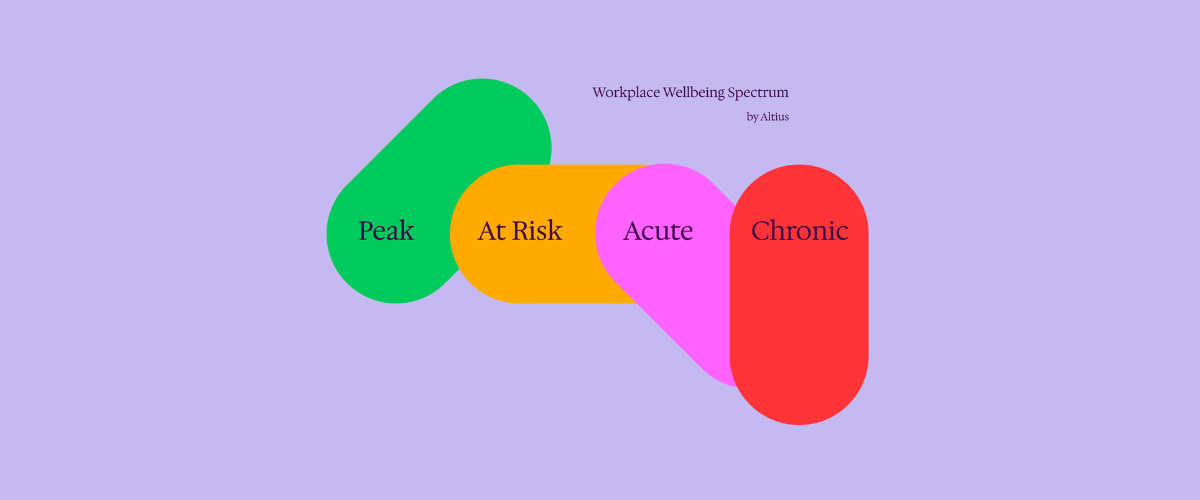
The Altius Workplace Wellbeing Spectrum provides a framework for matching support to need across four health and wellbeing zones:
-
Peak. Employees are healthy and looking to perform better. They benefit from resources such as leadership development, executive coaching, executive health assessments, and resilience training, which help them reach new heights in their professional journey.
-
At Risk. Employees may begin to experience physical and psychological stress well before it develops into injury or illness. Proactive support, including risk management strategies, psychosocial assessments, team alignment, and flexible work policies, helps address these concerns early and safeguard wellbeing.
-
Acute. This zone is reached when an employee faces an injury or illness. Here, the focus shifts to early intervention, rehabilitation, and return-to-work planning that is focused on sustained wellbeing, rather than simply returning to their previous role.
-
Chronic. For employees with severe or complex conditions. Integrated clinical treatment, workplace adaptations, and long-term assistance are provided to help them remain engaged and supported throughout their ongoing journey at work.
This framework is effective across multiple generations as it addresses the unique situations of individuals rather than categorising them by age group.
Solutions for a Multigenerational Workforce
Having explored the Workplace Wellbeing Spectrum’s approach to meeting varied employee needs, it’s time to consider practical strategies that address the diversity within today’s multigenerational workforce.
Richens outlines several practical solutions: "Having a very robust and strong EAP program with a manager assist function is very helpful. Manager assist is where the leaders of your organisation can receive coaching—for example, how to deal with multiple generations within the workforce."
Additional solutions include:
-
Career transition services for those moving to part-time work or exiting the workforce
-
Leadership development programs and coaching to build skills in managing diverse teams
-
Team alignment processes where an external facilitator helps teams with ongoing conflict to establish acceptable behaviours and agreements
-
Psychosocial risk assessments as a critical foundation, particularly looking at job demands for older and younger workers
-
Executive health assessments to support leaders who may be at risk of developing chronic disease
Richens emphasises the importance of psychosocial risk assessments, noting they are as foundational as a good EAP program—especially given recent legislative changes across Australia that make addressing these risks a fundamental part of any wellbeing strategy.
These solutions are designed to integrate with your existing wellbeing infrastructure, with flexible engagement models that suit organisations of your size.
In synergy, these solutions reinforce the Workplace Wellbeing Spectrum and lay the groundwork for meaningful action with practical steps for auditing needs, equipping leaders, building flexibility, and connecting wellbeing directly to work outcomes.
What This Means for HR Leaders
Getting this right directly impacts your bottom line: lower turnover, reduced absenteeism, higher productivity, and a stronger employer brand that attracts talents across all age groups.
-
Stop guessing. Audit.
Use your own data (EAP utilisation, psychosocial risk assessments, safety audits, engagement surveys, exit interviews) to understand who in your organisation is struggling and with what. Altius data shows clear generational patterns, but your organisation's data will show your specific reality.
-
Equip leaders for productive tension.
The goal is to recognise friction as information instead of eliminating it. Richens advises: "It's about building that awareness of generational difference, helping leaders understand that diversity is actually a real positive, and then working within that across your organisation."
-
Build flexibility into your wellbeing infrastructure.
One-size-fits-all doesn't work. Your EAP, your safety training, your flexible work policy—all of it needs to accommodate a range of needs and preferences. That doesn't mean infinite customisation. It means offering choice within clear parameters.
-
Connect wellbeing to work.
The evidence shows that job demands and workplace relationships are the top issues across all generations. Employees aren't asking for ping-pong tables and fruit bowls. They're asking for manageable workloads, respectful treatment, and leaders who notice when they're struggling.
-
Measure what matters.
Track retention by age group. Monitor EAP uptake and presenting issues. Look at sick leave patterns. Use this data to build your business case and refine your approach.
Leading With Generational Insight: Building a Stronger, More Human Workplace
Generational diversity is a strength when we choose to lead with diversity in mind. Understanding generational difference doesn't mean stereotyping every employee. It means recognising patterns, then responding to the person in front of you.
The organisations that get this right will retain experienced talent, attract emerging talent, and build more resilient, adaptable teams.
As Richens concludes: "When we look at the data across generations, the common thread is clear. People want to be seen, to be respected, and to have work that doesn't overwhelm or injure them. That's not a generational preference. It's a human one."
Book a free wellbeing strategy session to identify your biggest people risks and opportunities, map the right connected solutions, and receive a one-page action plan tailored to your organisation.


